

What Are the Possible Side Effects of Professional Dark Circles Treatments?
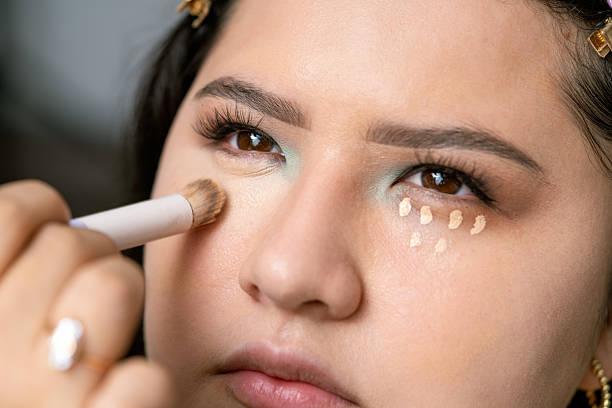
Professional under-eye treatments can help improve the appearance of dark circles, pigmentation, fine lines, and hollowness. However, like other cosmetic procedures, they may cause temporary reactions or complications. Understanding these possible effects before choosing Dark Circles Treatment in Riyadh can help you make an informed decision. The type of treatment, skin sensitivity, medical history, and practitioner's experience all influence the potential risks.
Some people experience mild redness, swelling, or tenderness after a procedure, while others may develop bruising, irritation, or changes in skin pigmentation. More serious complications are less common but should not be overlooked. Whether you are considering laser therapy, PRP, chemical peels, or under-eye fillers, Dark Circles Treatment in Riyadh should begin with a professional assessment to determine which option is suitable for your skin and specific concerns.
Why Can Professional Dark Circles Treatments Cause Side Effects?
The skin beneath the eyes is naturally thin and delicate. It contains small blood vessels and is surrounded by sensitive structures that require careful handling during cosmetic procedures.
Depending on the treatment, possible side effects may include:
-
Temporary redness and irritation.
-
Swelling or puffiness.
-
Bruising and tenderness.
-
Dryness, itching, or peeling.
-
Uneven skin pigmentation.
-
Allergic reactions or infection.
-
Unsatisfactory or uneven cosmetic results.
Not everyone experiences these effects, and their severity varies. Some reactions settle within a few days, while others may require medical attention.
Possible Side Effects of Different Under-Eye Treatments
Every procedure works differently, so understanding its specific risks is important before making a decision.
1. Side Effects of Under-Eye Laser Treatment
Laser treatments use focused light energy to target selected pigmentation, visible blood vessels, or skin-texture concerns. Although they may improve certain under-eye conditions, they can also cause temporary skin reactions.
Possible side effects include:
-
Redness and mild swelling.
-
Warmth, burning, or stinging sensations.
-
Temporary dryness and peeling.
-
Increased skin sensitivity.
-
Changes in pigmentation.
-
Rarely, blistering, scarring, or infection.
People with darker skin tones or a history of pigmentation after inflammation may have a higher risk of post-inflammatory hyperpigmentation. Selecting an appropriate laser wavelength and treatment setting is therefore essential.
Laser procedures around the eyes also require suitable protective eyewear and strict safety precautions.
2. Side Effects of Under-Eye Fillers
Dermal fillers may be considered when dark circles are caused by hollowness beneath the eyes. By restoring selected areas of lost volume, they can reduce shadows that make the under-eye region appear darker.
However, fillers do not directly treat excess pigmentation and are not suitable for everyone.
Potential side effects include:
-
Bruising around the injection area.
-
Temporary swelling and tenderness.
-
Small lumps or unevenness.
-
Persistent puffiness in some individuals.
-
Bluish discolouration when filler is placed too superficially.
A rare but serious complication occurs when filler accidentally enters a blood vessel. This can block blood flow and cause tissue damage, stroke, or vision loss. Under-eye filler procedures should only be performed by an appropriately qualified and experienced medical professional who understands facial anatomy and can manage complications.
3. Side Effects of PRP Under-Eye Treatment
Platelet-rich plasma, commonly known as PRP, is prepared from a sample of the patient's blood. It may be considered for selected skin-quality concerns, including fine lines and changes in skin texture.
Possible side effects include:
-
Mild swelling around the eyes.
-
Bruising at injection points.
-
Temporary redness.
-
Tenderness or discomfort.
-
Infection if proper hygiene and injection protocols are not followed.
Although PRP uses material derived from the patient's own blood, it is not completely risk-free. Evidence supporting its effectiveness specifically for dark circles remains limited and variable, and it does not address every underlying cause.
4. Side Effects of Chemical Peels
Chemical peels use selected ingredients to encourage skin renewal and may help improve certain types of superficial pigmentation. However, the under-eye area is particularly sensitive and requires carefully selected formulations.
Possible side effects include:
-
Redness and irritation.
-
Temporary burning or stinging.
-
Dryness and peeling.
-
Itching or swelling.
-
Uneven pigmentation.
-
Chemical burns or scarring if an unsuitable peel is used.
Strong or incorrectly applied peels can damage delicate skin and may make pigmentation more noticeable. Only appropriately selected superficial treatments should be considered around the eyes.
Who May Have a Higher Risk of Treatment Side Effects?
Some individuals may require additional precautions before undergoing an under-eye procedure. A practitioner should review relevant medical and skin-related factors during the consultation.
People who may need special consideration include:
-
Individuals with sensitive or easily irritated skin.
-
People with darker skin tones or a history of post-inflammatory pigmentation.
-
Those experiencing eczema, dermatitis, or infection around the eyes.
-
Individuals with known allergies to treatment ingredients.
-
People taking medications that affect bleeding or healing.
-
Those who have experienced complications from previous cosmetic procedures.
Sharing your medical history, medications, allergies, and previous treatment experiences helps the practitioner assess possible risks.
How Can You Reduce the Risk of Side Effects?
Although no cosmetic procedure is completely risk-free, appropriate preparation and professional care can reduce avoidable complications.
Consider the following precautions:
-
Choose a qualified practitioner with experience in under-eye procedures.
-
Discuss your medical history, medications, and allergies.
-
Ask about the procedure, possible complications, and available alternatives.
-
Follow preparation instructions before your appointment.
-
Avoid rubbing or applying pressure to the treated area.
-
Use only skincare products recommended during recovery.
-
Attend follow-up appointments when advised.
Do not choose a procedure simply because it is popular. The most appropriate treatment depends on the cause of your dark circles, skin type, and individual health considerations.
When Should You Seek Medical Attention?
Mild redness, tenderness, or swelling may occur after certain treatments. However, some symptoms require prompt medical evaluation.
Seek urgent medical attention if you experience sudden changes in vision, severe eye pain, unusual skin whitening or darkening, or rapidly worsening symptoms after an injectable procedure. Any visual disturbance following an under-eye filler injection should be treated as a medical emergency.
Increasing redness, warmth, discharge, fever, or persistent swelling should also be reported to your treating practitioner because these symptoms may indicate infection or another complication.
Choose a Suitable Dark Circles Treatment in Riyadh
Understanding the possible side effects of professional under-eye procedures is an important part of making a safe treatment decision. Laser therapy, PRP, chemical peels, and fillers have different benefits, limitations, and risks. A personalised assessment can help identify the underlying cause of dark circles and determine which approach may be appropriate.
Royal Clinic Saudia offers personalised aesthetic consultations to discuss under-eye concerns and explore possible treatment options. Book an appointment to learn about suitable procedures, potential side effects, and precautions relevant to your skin.
FAQs:
Are side effects of professional dark circles treatments permanent?
Most common reactions, such as mild redness, swelling, and bruising, are temporary. However, certain complications, including scarring, persistent pigmentation changes, or serious vascular injuries, can have long-lasting effects. The risks depend on the procedure and individual response.
Can laser treatment make under-eye pigmentation worse?
Yes. Inflammation caused by unsuitable laser settings or excessive treatment intensity can trigger post-inflammatory hyperpigmentation. This risk is particularly important for people with darker skin tones, making professional assessment and appropriate device selection essential.
Are under-eye fillers safe for treating dark circles?
Fillers may help selected individuals whose dark appearance is caused by tear-trough hollowness. However, they carry risks such as swelling, lumps, vascular blockage, and rare vision-threatening complications. Treatment requires an appropriately qualified and experienced medical professional.
How long do side effects of under-eye treatments last?
Recovery depends on the procedure and individual response. Mild redness or swelling may settle within days, while bruising or pigmentation changes can take longer. Your practitioner should explain the expected recovery period and warning signs associated with your specific treatment.

 English
 Arabic
 Spanish
 Portuguese
 Deutsch
 Turkish
 Dutch
 Italiano
 Russian
 Romaian
 Portuguese (Brazil)
 Greek
