

How Do You Select Microphones for Different Types of Events?
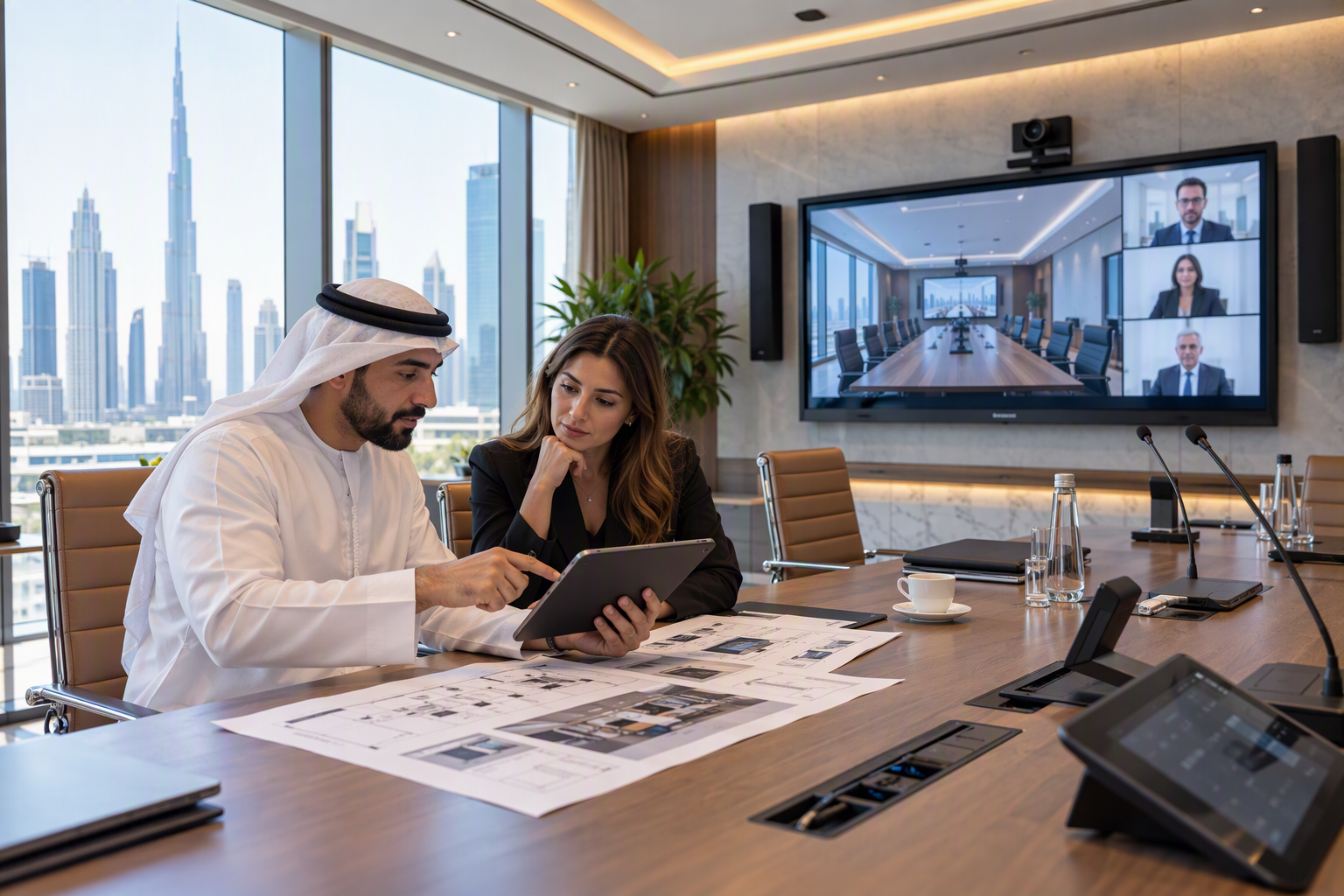
Choosing the right microphone is an important part of planning any event. Different events have different sound needs, and the microphone should match the speaker, room size, and type of activity. When comparing equipment from AV rental companies in Dubai, it helps to understand how different microphones work and where they are most useful. A suitable microphone can make speech clearer, reduce unwanted noise, and help the audience hear every important point.
1. Understand the Purpose of Your Event
Before selecting a microphone, think about the type of event you are organising. A business meeting, wedding, music show, and training session do not need the same audio equipment.
For example, a conference may need microphones for several speakers, while a wedding may require microphones for speeches, announcements, and live music. A classroom or training session may need a microphone that allows the presenter to move around freely.
The number of speakers is also important. If one person will speak at a time, a single handheld or wireless microphone may be enough. Events with panel discussions or group presentations may need several microphones so that everyone can speak clearly.
2. Handheld Microphones for Speeches and Presentations
Handheld microphones are commonly used at conferences, business meetings, award ceremonies, and public events. They are easy to use because the speaker can hold the microphone and bring it closer to their mouth when speaking.
These microphones are useful when different people need to speak during an event. For example, an event host can pass the microphone to guests during a question-and-answer session.
Both wired and wireless handheld microphones are available. Wired models provide a direct connection to the sound system, while wireless models allow speakers to move around without being connected by a cable.
However, speakers should hold the microphone at a suitable distance from their mouth. Holding it too far away can make the voice difficult to hear.
3. Lavalier Microphones for Interviews and Presentations
Lavalier microphones are small microphones that can be attached to clothing. They are also called lapel microphones. These microphones are useful for interviews, video presentations, workshops, and business events.
One main advantage is that the speaker does not need to hold anything while talking. This allows them to use their hands for demonstrations, presentations, or other activities.
Lavalier microphones are available in wired and wireless options. Wireless models are especially useful when presenters need to move across a stage or interact with people.
Before using one, check its position on the clothing. If it touches fabric or is covered by clothing, it may create unwanted noise or reduce sound quality.
4. Headset Microphones for Active Speakers
Headset microphones are designed to fit around the speaker's head, keeping the microphone close to the mouth. They are useful for fitness classes, stage performances, training sessions, and presentations where the speaker needs to move frequently.
Unlike handheld microphones, headset models allow speakers to use both hands freely. They also keep a consistent distance between the microphone and the speaker's mouth.
This can help maintain a steady voice level during movement. However, the headset should fit comfortably and securely. A poor fit can make it difficult for the speaker to concentrate during a long event.
For events with dancing, demonstrations, or regular movement, headset microphones can be a practical choice.
5. Shotgun and Condenser Microphones for Recording
Shotgun microphones are often used for video recording, interviews, and film production. They are designed to capture sound from a particular direction, which makes them useful when recording a speaker from a distance.
Condenser microphones are commonly used in recording studios, podcasts, and controlled speaking environments. They can capture detailed sound and are suitable for voice recording and musical performances.
However, condenser microphones can also pick up background noise. Therefore, the room should be checked before using them.
When selecting recording microphones, consider the room's noise level, speaker position, and recording equipment. The right setup can help produce clear audio without requiring too much editing later.
6. Wireless or Wired Microphones: Which One Should You Choose?
Both wireless and wired microphones have useful features. The best option depends on the event setup and the speaker's movement.
Wired microphones are generally simple to connect and do not depend on wireless signals. They can be suitable for fixed speaking positions, small meetings, and indoor presentations.
Wireless microphones provide more freedom of movement. They are useful for large stages, conferences, interviews, and events where speakers need to move between different areas.
However, wireless systems need proper frequency planning and battery checks. Other wireless devices in the venue may also cause signal problems if the equipment is not configured correctly.
7. Consider the Size and Acoustics of the Venue
The event venue plays an important role in microphone selection. A small meeting room may not need the same equipment as a large conference hall or outdoor stage.
Large rooms can create echoes, especially when they have hard floors, glass walls, or high ceilings. In these spaces, microphone placement and speaker positioning need careful attention.
Outdoor events have different challenges. Wind and background sounds from traffic or crowds can affect audio quality. Wind protection and suitable microphone placement can help reduce these problems.
Before the event, test the microphones in the actual venue. This helps identify sound issues before the audience arrives.
8. Check Compatibility and Test the Audio Equipment
A microphone should work properly with the available sound system. Check the microphone connections, audio mixer, speakers, and wireless receiver before the event begins.
It is also useful to test every microphone separately. Listen for low volume, unwanted noise, feedback, and signal interruptions. If several microphones will be used together, test them at the same time.
Keep spare batteries, cables, and backup microphones available. These small preparations can help prevent delays if an equipment problem occurs during the event.
When reviewing equipment options, AV rental companies in Dubai can be considered as a source of different microphone types and audio setups. Understanding the event requirements, venue conditions, and number of speakers makes it easier to select suitable equipment for clear and reliable sound.

 English
 Arabic
 French
 Spanish
 Portuguese
 Deutsch
 Turkish
 Dutch
 Italiano
 Russian
 Portuguese (Brazil)
 Greek
