

UTI Treatment for Seniors in Michigan: Risks and Prevention
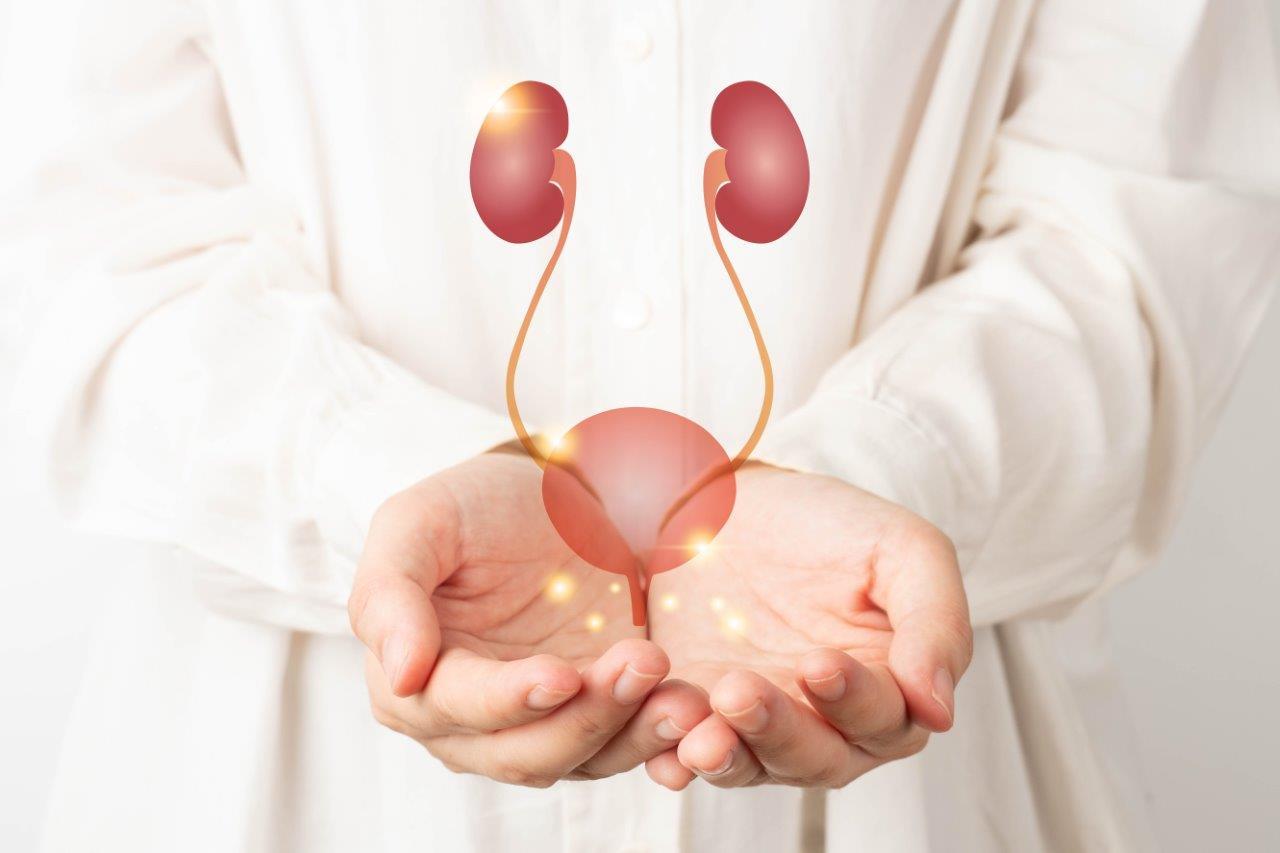
Urinary tract infections can be particularly concerning for older adults, especially when existing health conditions make symptoms harder to recognize. Frequent urination, bladder discomfort, and changes in urinary habits may affect sleep, mobility, and everyday independence. Families searching for UTI care for seniors in Michigan often want to know when medical attention is necessary and how to prevent repeated infections. Understanding uti treatment michigan options for older adults involves recognizing genuine infection symptoms, avoiding unnecessary antibiotics, and addressing the health conditions that may increase urinary infection risks.
Why Seniors in Sterling Heights, Michigan, May Face Greater UTI Risks
Older adults in Sterling Heights, Michigan, may experience urinary problems related to ageing, medication use, reduced mobility, or existing medical conditions.
A urinary tract infection occurs when bacteria enter the urinary system and cause infection. Although UTIs can affect anyone, certain age-related changes can increase susceptibility.
For example, an older adult may have difficulty emptying the bladder completely because of an enlarged prostate or another urinary condition. Retained urine can increase the likelihood of bacterial growth.
A relatable example
Consider a hypothetical 74-year-old retired man who begins experiencing burning urination and increased bathroom frequency. Because he already wakes up several times at night, he initially assumes the changes are part of ageing.
However, the new burning sensation and worsening urgency prompt his family to arrange a medical evaluation.
His healthcare provider reviews the symptoms and determines whether urine testing is appropriate.
This example demonstrates why new or worsening urinary symptoms should not automatically be dismissed as normal ageing.
Common UTI symptoms in seniors include:
-
Burning or painful urination
-
New or increased urinary urgency
-
Frequent bathroom visits
-
Lower abdominal discomfort
-
Blood in the urine
-
New urinary incontinence alongside other symptoms
Sudden confusion can occur during serious illness, but confusion alone does not establish a UTI diagnosis. Other medical causes must also be considered.
What Increases UTI Risk in Older Adults?
Several medical and physical changes can make urinary infections more likely as people age.
Understanding these factors helps healthcare providers recommend appropriate prevention and treatment strategies.
1. Incomplete Bladder Emptying
An enlarged prostate, nerve-related conditions, or certain medications may interfere with normal urination.
Difficulty emptying the bladder can increase infection risk.
2. Menopause-Related Changes
After menopause, reduced estrogen levels can change the vaginal environment and make some women more susceptible to repeated urinary infections.
3. Urinary Catheter Use
Catheters can introduce bacteria into the urinary system, especially when they remain in place for extended periods.
Avoiding unnecessary catheter use is an important preventive measure.
4. Diabetes and Other Medical Conditions
Diabetes, urinary tract abnormalities, and certain neurological conditions may increase infection risk or complicate recovery.
5. Reduced Mobility
Older adults with mobility limitations may experience difficulty accessing the bathroom or maintaining regular bladder-emptying habits.
Why Urine Testing Requires Careful Interpretation
Medical evaluation may include urinalysis or a urine culture, depending on symptoms and risk factors.
However, bacteria in urine do not always mean an infection requires treatment.
Asymptomatic bacteriuria occurs when bacteria are present in urine without symptoms attributable to a urinary infection.
This condition is relatively common among older adults, particularly in long-term care settings.
Antibiotics are generally not recommended for asymptomatic bacteriuria, except in specific situations such as pregnancy or before certain urinary procedures.
Accurate assessment helps prevent unnecessary antibiotic exposure and supports safer medical decisions.
Practical UTI Prevention Tips for Seniors and Caregivers
Preventing urinary infections in older adults involves supporting bladder health while considering individual medical needs.
The following strategies may help reduce infection risks.
1. Maintain appropriate hydration
Drinking enough fluids supports normal urinary function.
However, seniors with heart failure, kidney disease, or other conditions requiring fluid restrictions should follow their healthcare provider's advice.
2. Support regular bathroom access
Older adults with mobility challenges may benefit from accessible bathrooms, scheduled assistance, or appropriate mobility aids.
3. Avoid unnecessary catheter use
Catheters should only be used when medically appropriate and managed according to professional care instructions.
4. Discuss recurring urinary symptoms
Patients searching for Chronic UTI treatment should explain whether previous infections were confirmed through testing.
Persistent urinary discomfort may have causes other than a bacterial infection.
5. Review relevant medications
Some medications can affect bladder emptying or urinary habits.
A healthcare provider can determine whether medication-related issues contribute to symptoms.
6. Discuss menopause-related prevention
For suitable postmenopausal patients, vaginal estrogen may help reduce recurrent infections.
Treatment for recurrent UTI in females should consider medical history, previous cultures, and individual risk factors.
When Seniors Need Urgent Medical Attention
Older adults should receive prompt medical evaluation when urinary symptoms occur alongside:
-
Fever or shaking chills
-
Back or side pain
-
Nausea or vomiting
-
Inability to urinate
-
Rapidly worsening weakness or illness
Severe confusion, reduced responsiveness, or signs of sepsis require emergency medical attention.
Patients seeking Immediate relief for UTI burning should understand that temporary pain-relief medications do not necessarily eliminate an underlying infection.
How uti treatment michigan Supports Safer Medical Care for Seniors
Treating urinary infections in older adults requires careful consideration of existing medical conditions, prescription medications, and kidney function.
When a bacterial UTI requires treatment, healthcare providers select antibiotics based on the patient's symptoms, medical history, allergies, and relevant test results.
Medication selection is particularly important because older adults may take several prescriptions that could interact with additional treatments.
At Dobra Primary Care & Family Medicine, Dr. Syed Mazhar, MD. provides primary care services for patients experiencing urinary symptoms and other medical concerns.
For seniors living in Sterling Heights and nearby communities, ongoing primary care can help identify repeated infection patterns and address related health conditions.
A personalized treatment approach may involve:
-
Reviewing previous urine culture results
-
Evaluating bladder-emptying problems
-
Checking medication interactions
-
Adjusting antibiotic choices when clinically necessary
-
Discussing preventive care
-
Arranging follow-up evaluations for persistent symptoms
Seniors should avoid taking leftover antibiotics or changing prescribed medications without medical guidance.
When infections repeatedly return, investigating contributing factors can be more beneficial than automatically prescribing another course of antibiotics.
The goal is to treat confirmed or strongly suspected infections appropriately while minimizing avoidable medication risks.
Conclusion
Urinary tract infections in older adults require thoughtful evaluation because symptoms, medical conditions, and treatment risks can differ from those in younger patients. Recognizing new urinary symptoms, understanding appropriate testing, and avoiding unnecessary antibiotics can support safer recovery. Seniors and caregivers should also discuss hydration, bladder-emptying concerns, and recurring infections with a healthcare provider. Timely medical assessment and personalized prevention strategies can help older adults maintain better urinary health and everyday independence.

 English
 Arabic
 French
 Spanish
 Portuguese
 Deutsch
 Turkish
 Dutch
 Russian
 Romaian
 Portuguese (Brazil)
 Greek
