

Chemical Formula for Aluminum Sulfide: Complete Guide
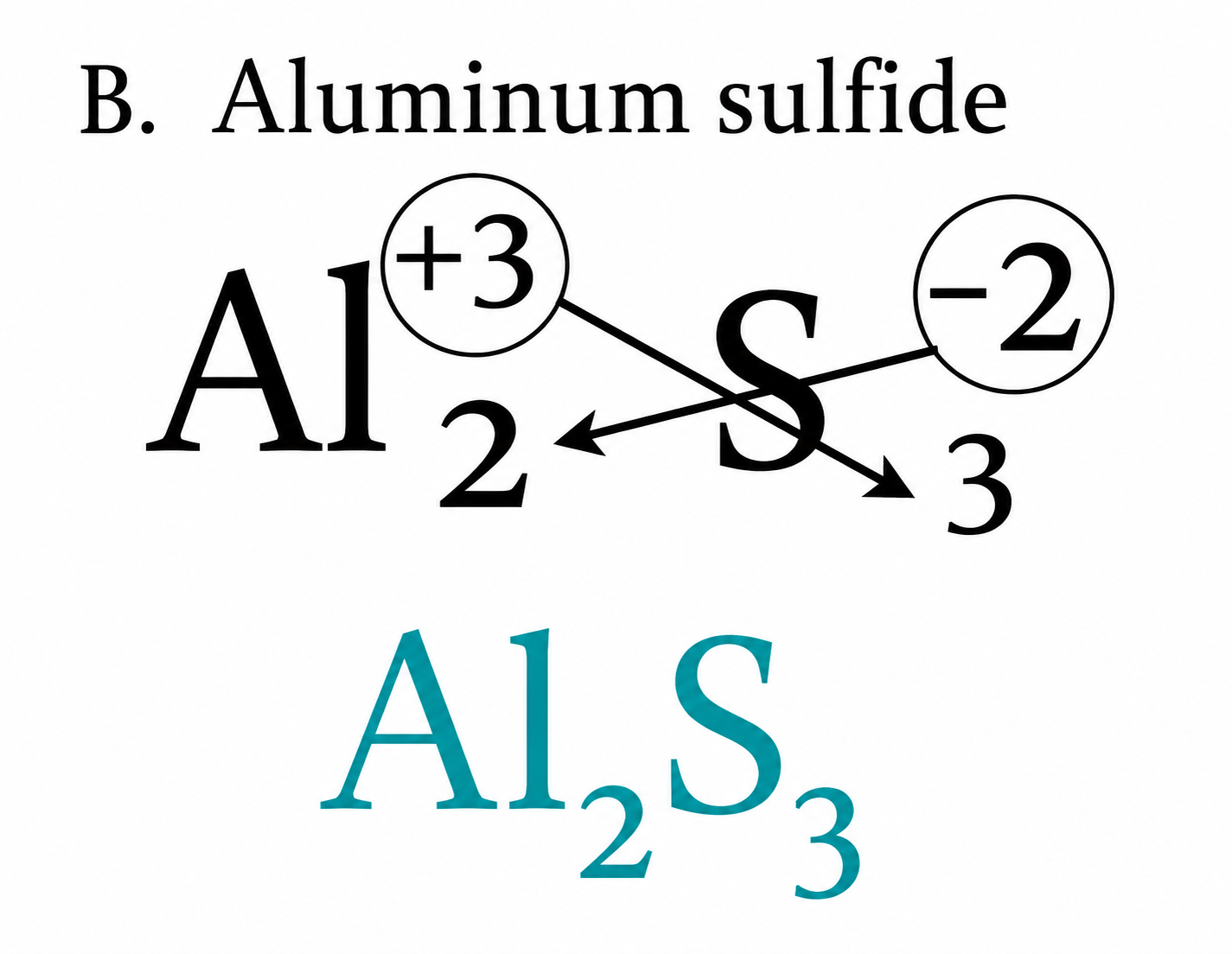
The chemical formula for aluminum sulfide is Al₂S₃. Aluminum sulfide is an inorganic compound formed from aluminum and sulfur. Understanding its chemical formula helps explain its composition, bonding, reactions, and behavior in different chemical environments. This compound is commonly discussed in chemistry because it provides a useful example of how elements combine according to their ionic charges and valence behavior. Aluminum sulfide also has practical importance in chemical reactions and laboratory studies, particularly because it reacts with water and can produce hydrogen sulfide under suitable conditions. Learning about its formula, structure, properties, preparation, reactions, and safety considerations provides a clearer understanding of this important chemical compound.
What Is Aluminum Sulfide?
Aluminum sulfide is an inorganic compound made from aluminum and sulfur. It is generally represented by the formula Al₂S₃, which shows that the compound contains aluminum and sulfur in a specific proportion. In its pure form, aluminum sulfide is a solid material and can have different physical characteristics depending on its preparation and structure. The compound is especially interesting in chemistry because aluminum tends to form a positive ion while sulfur commonly forms a negative sulfide ion. Their charges combine in a way that produces an electrically neutral compound, resulting in the formula Al₂S₃.
What Is the Chemical Formula for Aluminum Sulfide?
The chemical formula for aluminum sulfide is Al₂S₃. The formula indicates that aluminum and sulfur are present in a ratio that balances their ionic charges. Aluminum commonly forms an ion with a positive charge of three, while sulfide has a negative charge of two. To achieve electrical neutrality, the compound contains two aluminum ions and three sulfide ions. This charge balance is the main reason the formula is written as Al₂S₃ rather than another combination of aluminum and sulfur.
How Is the Formula Al₂S₃ Determined?
The formula of aluminum sulfide can be determined by considering the typical ionic charges of its elements. Aluminum generally forms Al³⁺ ions, while sulfur forms S²⁻ ions when present as sulfide. Since the positive and negative charges must balance, two aluminum ions provide an overall positive charge that can be balanced by three sulfide ions carrying the corresponding negative charge. The smallest whole-number combination that produces a neutral compound therefore gives the formula Al₂S₃. This charge-balancing approach is commonly used to determine formulas for ionic compounds.
Chemical Structure of Aluminum Sulfide
Aluminum sulfide has a solid-state structure in which aluminum and sulfur are arranged within a crystal lattice. Its bonding is commonly described using ionic concepts because aluminum and sulfur have substantially different tendencies to form charged species. However, the actual bonding and electronic structure of solid aluminum sulfide can involve more complex characteristics than a simple picture of completely separated ions. Different structural forms can also exist depending on conditions such as temperature and preparation method, making its solid-state chemistry an interesting subject for further study.
Physical Properties of Aluminum Sulfide
Aluminum sulfide is a solid compound with properties that depend on its form, purity, and preparation conditions. It can appear in different colors or physical forms depending on the material and its environment. One important characteristic is its sensitivity to moisture and water. Aluminum sulfide can react with water rather than simply remaining unchanged in contact with it. This behavior is important when considering how the compound should be stored, handled, and used in chemical environments. Its physical properties should therefore be considered together with its chemical reactivity.
Chemical Properties of Aluminum Sulfide
The chemical behavior of aluminum sulfide is strongly influenced by its reaction with water and other substances. One of its most notable properties is its tendency to undergo hydrolysis when exposed to water. This reaction can produce aluminum hydroxide along with hydrogen sulfide. The production of hydrogen sulfide is particularly important from a safety perspective because this gas has hazardous properties and a distinctive odor. Aluminum sulfide can also participate in chemical reactions involving acids and other reactive substances, depending on the conditions.
How Is Aluminum Sulfide Formed?
Aluminum sulfide can be formed through a direct chemical reaction between aluminum and sulfur under suitable conditions. When these elements react, they combine to produce aluminum sulfide. This type of reaction demonstrates how elements can form a new compound with properties that differ significantly from those of the original substances. The reaction generally requires appropriate conditions to proceed effectively, and the resulting compound must be handled carefully because of its reactivity with moisture.
Aluminum Sulfide Reaction With Water
The reaction of aluminum sulfide with water is one of its most important chemical characteristics. When aluminum sulfide comes into contact with water, it can undergo hydrolysis and form aluminum hydroxide and hydrogen sulfide. The release of hydrogen sulfide makes this reaction especially important from a laboratory safety perspective. Hydrogen sulfide is a hazardous gas, so aluminum sulfide should not be casually mixed with water or exposed to uncontrolled moisture. Understanding this reaction also helps explain why aluminum sulfide requires appropriate storage and handling.
Aluminum Sulfide Reaction With Acids
Aluminum sulfide can also react with acids, and such reactions may result in the formation of hydrogen sulfide along with aluminum-containing products. The exact products and reaction conditions depend on the acid and the environment in which the reaction occurs. Because hydrogen sulfide can be released, reactions involving aluminum sulfide and acids require suitable laboratory controls and safety precautions. This chemical behavior is one reason aluminum sulfide is generally treated as a reactive material rather than an ordinary stable salt.
Why Is Al₂S₃ an Ionic Compound?
Aluminum sulfide is commonly classified as an ionic compound because its constituent elements can form oppositely charged ions. Aluminum tends to lose electrons and form positively charged aluminum ions, while sulfur can gain electrons and form negatively charged sulfide ions. The attraction between these oppositely charged species contributes to the structure of the compound. The formula Al₂S₃ reflects the balance between the charges rather than simply showing equal quantities of aluminum and sulfur.
Aluminum Sulfide and Oxidation States
Oxidation states help explain the composition of aluminum sulfide. Aluminum commonly has an oxidation state of positive three in this compound, while sulfur has an oxidation state of negative two. These oxidation states balance across the formula so that the overall compound has no net electrical charge. Understanding oxidation states is useful when studying the formation and reactions of aluminum sulfide because it provides a simple way to track how the elements are represented chemically.
Difference Between Aluminum and Aluminum Sulfide
Aluminum and aluminum sulfide are very different substances even though aluminum is one of the elements present in the compound. Aluminum is a metallic element with its own physical and chemical properties, while aluminum sulfide is a new compound formed when aluminum combines with sulfur. The compound therefore does not simply behave like metallic aluminum mixed with sulfur. Its structure, reactivity, appearance, and chemical behavior are different from those of the individual elements that form it.
Difference Between Sulfur and Aluminum Sulfide
Sulfur is a nonmetallic element, while aluminum sulfide is a compound containing sulfur chemically bonded with aluminum. Elemental sulfur has its own characteristic properties and forms, whereas aluminum sulfide has a completely different composition and chemical behavior. The formation of Al₂S₃ demonstrates how combining elements can create a substance with properties that cannot be understood simply by looking at the properties of its individual elements.
Uses of Aluminum Sulfide
Aluminum sulfide has applications and importance in chemical research and industrial chemistry, although its reactive nature limits how it can be handled in certain environments. It can be used as a chemical material in specialized processes and studied as an example of sulfide chemistry. It is also relevant in educational and laboratory settings where students and researchers investigate ionic compounds, chemical reactions, hydrolysis, and the behavior of inorganic materials. Any practical use requires consideration of its chemical reactivity and the possibility of hazardous gas formation.
Importance of Aluminum Sulfide in Chemistry
Aluminum sulfide is useful for understanding several fundamental chemistry concepts. Its formula demonstrates ionic charge balancing, while its reactions with water provide an example of hydrolysis. Its formation from aluminum and sulfur also demonstrates how elements can combine to create compounds with different properties. Because it connects topics such as chemical formulas, oxidation states, ionic bonding, reactions, and laboratory safety, aluminum sulfide is a useful compound for learning and studying inorganic chemistry.
How to Write the Chemical Formula Correctly
Writing the chemical formula for aluminum sulfide requires understanding the common charges of aluminum and sulfide. Aluminum contributes a positive three charge, while sulfide contributes a negative two charge. Balancing these charges produces the neutral formula Al₂S₃. It is important to write the chemical symbols correctly, using the proper capitalization and subscripts. The subscript values are part of the formula because they show the relative composition of aluminum and sulfur within the compound.
Is Aluminum Sulfide Soluble in Water?
Aluminum sulfide does not behave like a simple water-soluble ionic salt. Instead, it reacts with water and undergoes hydrolysis. This reaction means that exposure to moisture can change the compound and produce other substances, including hydrogen sulfide. Because of this behavior, aluminum sulfide should not be treated as an ordinary compound that can simply be dissolved in water for routine handling. Its interaction with water is an important chemical and safety characteristic.
Storage of Aluminum Sulfide
Because aluminum sulfide reacts with moisture, appropriate storage conditions are important. The material should be protected from water and unnecessary exposure to humid environments. Containers should be properly sealed and stored according to the safety information associated with the particular material. Proper storage helps reduce unwanted reactions and limits the possibility of hydrogen sulfide generation. Anyone handling aluminum sulfide should follow the applicable laboratory or workplace chemical safety procedures.
Safety Considerations for Aluminum Sulfide
Aluminum sulfide requires careful handling because it can react with moisture and may produce hydrogen sulfide. Hydrogen sulfide is a toxic and hazardous gas, so uncontrolled reactions should be avoided. Appropriate ventilation, protective equipment, suitable storage, and proper chemical handling procedures are important when working with this compound. Aluminum sulfide should also be kept away from incompatible substances and handled only by people who understand the relevant chemical safety requirements. Safety data and workplace procedures should always be consulted before practical use.
Frequently Asked Questions About the Chemical Formula for Aluminum Sulfide
What is the chemical formula for aluminum sulfide?
The chemical formula for aluminum sulfide is Al₂S₃. It represents a compound made from aluminum and sulfur in a ratio that balances their typical ionic charges.
Why is the formula Al₂S₃?
The formula Al₂S₃ results from balancing the positive charge associated with aluminum and the negative charge associated with sulfide. Aluminum commonly forms Al³⁺, while sulfide forms S²⁻, so the charges balance when the elements combine in the proportion represented by Al₂S₃.
Is aluminum sulfide an ionic compound?
Aluminum sulfide is commonly classified as an ionic compound because it consists of aluminum and sulfur species that can be represented as oppositely charged ions. Its solid-state bonding can have additional complexity, but the ionic model is useful for understanding its formula.
What happens when aluminum sulfide reacts with water?
Aluminum sulfide can react with water through hydrolysis, producing aluminum hydroxide and hydrogen sulfide. Because hydrogen sulfide is hazardous, this reaction should not be performed casually or without appropriate safety controls.
Is aluminum sulfide soluble in water?
Rather than simply dissolving like many common soluble salts, aluminum sulfide reacts with water. This hydrolysis behavior is an important characteristic of the compound and explains why moisture exposure must be controlled.
How is aluminum sulfide formed?
Aluminum sulfide can be formed through a direct reaction between aluminum and sulfur under suitable conditions. The resulting compound has the chemical formula Al₂S₃ and properties that differ from those of elemental aluminum and sulfur.
What are the main elements in aluminum sulfide?
The main elements in aluminum sulfide are aluminum and sulfur. Its formula shows that these elements combine in a specific proportion to form the neutral compound Al₂S₃.
Why is aluminum sulfide important in chemistry?
Aluminum sulfide is important because it demonstrates concepts such as ionic charge balancing, oxidation states, compound formation, hydrolysis, and chemical reactivity. Its reactions also provide useful examples of how inorganic compounds behave in the presence of water and acids.
Conclusion
The chemical formula for aluminum sulfide is Al₂S₃, and this formula represents the balanced combination of aluminum and sulfur within the compound. Understanding how this formula is created provides a useful lesson in ionic charges and chemical composition. Aluminum sulfide is also notable for its reactions with water and acids, particularly because these reactions can produce hydrogen sulfide. Its properties make it relevant to inorganic chemistry, laboratory studies, and specialized chemical applications. Proper handling and storage are essential because the compound is moisture-sensitive and can produce a hazardous gas under certain conditions. By understanding its formula, structure, properties, reactions, uses, and safety considerations, students and chemistry readers can develop a clearer understanding of aluminum sulfide and its place in chemical science.

 English
 Arabic
 French
 Spanish
 Portuguese
 Deutsch
 Turkish
 Dutch
Dutch
 Italiano
 Russian
 Romaian
 Greek
Greek
