

How to Improve Moisture Control With a Vacuum Desiccator?
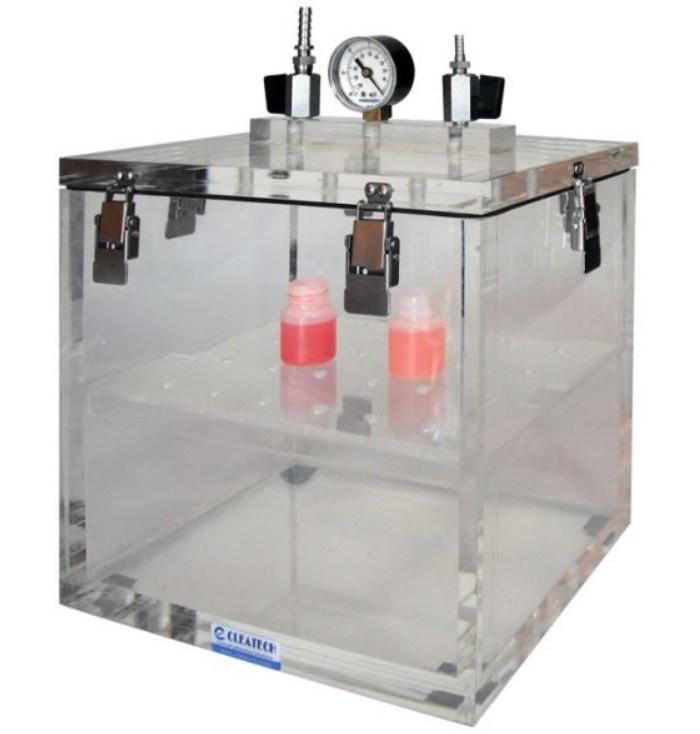
Moisture can compromise sensitive samples, powders, electronic components, chemicals, and laboratory materials. Even small amounts of humidity may cause oxidation, clumping, corrosion, degradation, or inaccurate results. If you need reliable moisture control, a vacuum desiccator can help you create a controlled, low-humidity storage environment while reducing the amount of air and moisture surrounding your materials.
Understand How Moisture Affects Your Materials
Before choosing a moisture-control method, identify how your samples react to humidity. Some materials absorb water quickly, while others are affected only after extended exposure.
You may notice problems such as:
- Powdered materials becoming clumpy
- Hygroscopic chemicals absorbing atmospheric moisture
- Metal components developing corrosion
- Samples changing weight or composition
- Sensitive materials degrading during storage
- Test results becoming less consistent
Knowing the moisture sensitivity of your materials helps you determine how much protection you need and how frequently you should maintain the storage environment.
Use Vacuum to Reduce Moisture Exposure
A vacuum desiccator works by reducing the air pressure inside a sealed chamber. Removing air also reduces the amount of moisture-containing atmosphere surrounding your samples.
For moisture-sensitive materials, this approach can provide an additional layer of protection compared with ordinary open-air storage. You can also combine vacuum storage with an appropriate desiccant to help capture residual moisture inside the chamber.
When selecting a system, consider your required chamber capacity, sample dimensions, vacuum requirements, operating frequency, and the materials you intend to store.
For applications requiring controlled low-moisture storage, explore a vacuum desiccator cabinet for moisture-sensitive laboratory samples from CleaTech LLC.
Select the Right Desiccant
Vacuum alone may not remove every trace of moisture. A compatible desiccant can help absorb residual humidity and maintain a drier environment.
Choose your desiccant according to the application and manufacturer's recommendations. Consider:
- Moisture absorption capacity
- Regeneration requirements
- Chemical compatibility
- Expected service life
- Chamber size
- Frequency of access
Do not assume that more desiccant automatically means better protection. Excessive or unsuitable desiccant can be unnecessary and may complicate maintenance.
Minimize Chamber Opening
Every time you open the chamber, humid room air can enter and replace the controlled atmosphere. Frequent access can therefore reduce moisture-control performance.
Organize your samples before opening the chamber. Label containers clearly and group materials according to how often you need them. This allows you to retrieve items efficiently instead of repeatedly exposing the chamber interior to ambient humidity.
If your laboratory handles frequently accessed materials, consider whether separate storage zones or additional moisture-control equipment would improve workflow.
Check Containers Before Storage
A vacuum desiccator protects the environment around your samples, but poorly sealed sample containers can still allow moisture to enter.
Use suitable, clean containers with secure closures. Inspect seals, lids, gaskets, and other closure components before placing materials inside the chamber.
For highly moisture-sensitive materials, consider using an appropriate secondary barrier or sealed container in addition to the controlled chamber environment.
Maintain the Vacuum System
Consistent performance depends on the condition of the vacuum system and chamber seals. A small leak can allow air and moisture to enter, reducing the effectiveness of your moisture-control process.
Create a routine inspection schedule. Check:
- Door or lid seals
- Gaskets
- Vacuum connections
- Tubing and fittings
- Valves
- Chamber surfaces
- Pressure readings
If you notice that the system loses vacuum faster than expected, investigate the cause before continuing to rely on it for sensitive materials.
Monitor Storage Conditions
Monitoring gives you evidence that your moisture-control process is working as intended. Depending on your application, you may track pressure, humidity, temperature, or other relevant conditions.
Record measurements at consistent intervals and establish acceptable operating ranges for your materials. If readings begin to change, investigate possible causes such as seal deterioration, excessive chamber opening, desiccant saturation, or changes in the vacuum system.
Documented monitoring can also make it easier to identify trends before they become significant storage problems.
Follow a Consistent Storage Procedure
Your vacuum desiccator will provide more predictable results when everyone follows the same procedure. Develop an SOP covering sample preparation, loading, evacuation, storage, inspection, unloading, cleaning, and maintenance.
Train users to avoid overloading the chamber or placing materials where they could interfere with seals or internal components. Clear procedures also help reduce accidental exposure and inconsistent handling.
Choose a Vacuum Desiccator for Your Application
The right equipment should match your laboratory's storage requirements rather than simply providing the largest possible chamber. Consider the materials you handle, available laboratory space, desired capacity, vacuum performance, construction, access frequency, and maintenance requirements.
You can review options for a vacuum desiccator cabinet for controlled moisture protection to determine which configuration aligns with your application.
For application-specific equipment guidance, Contact us today to discuss your laboratory requirements with CleaTech LLC.
Conclusion
Improving moisture control starts with more than placing sensitive materials inside a sealed chamber. You need to control humidity exposure, select suitable desiccants, maintain vacuum integrity, inspect storage containers, minimize unnecessary access, and monitor operating conditions.
By combining the right vacuum desiccator for moisture-sensitive laboratory storage with consistent handling and maintenance practices, you can create a more dependable environment for protecting sensitive materials and supporting reliable laboratory work.
Frequently Asked Questions
What is a vacuum desiccator used for?
A vacuum desiccator is used to protect moisture-sensitive materials by providing a sealed environment in which air pressure can be reduced. It is commonly used for laboratory samples, chemicals, powders, and other materials that require controlled dry storage.
Does a vacuum desiccator remove all moisture?
No. Vacuum reduces the amount of air and moisture present, but it does not necessarily eliminate all moisture. Using a suitable desiccant and maintaining good chamber seals can provide additional moisture control.
How often should you replace the desiccant?
Replacement or regeneration depends on the desiccant type, chamber conditions, frequency of access, and moisture load. Follow the desiccant manufacturer's recommendations and replace or regenerate it when its moisture capacity has been reached.
Why is vacuum integrity important?
A leak can allow humid air to enter the chamber and reduce moisture-control performance. Regularly inspecting gaskets, seals, fittings, valves, and vacuum connections helps maintain consistent operation.
How do you choose the right vacuum desiccator?
Consider your sample size, storage capacity, moisture sensitivity, required vacuum level, chamber construction, available space, access frequency, and maintenance requirements. Matching these factors to your application helps you select an appropriate system.
Original Source: https://laboratoryquipment.blogspot.com/2026/09/how-to-improve-moisture-control-with.html

 English
 Arabic
 French
 Spanish
 Portuguese
 Deutsch
 Dutch
Dutch
 Italiano
 Russian
 Romaian
 Portuguese (Brazil)
 Greek
Greek
