

Master Guide to Water Pressure Regulators and Whole-House Protection
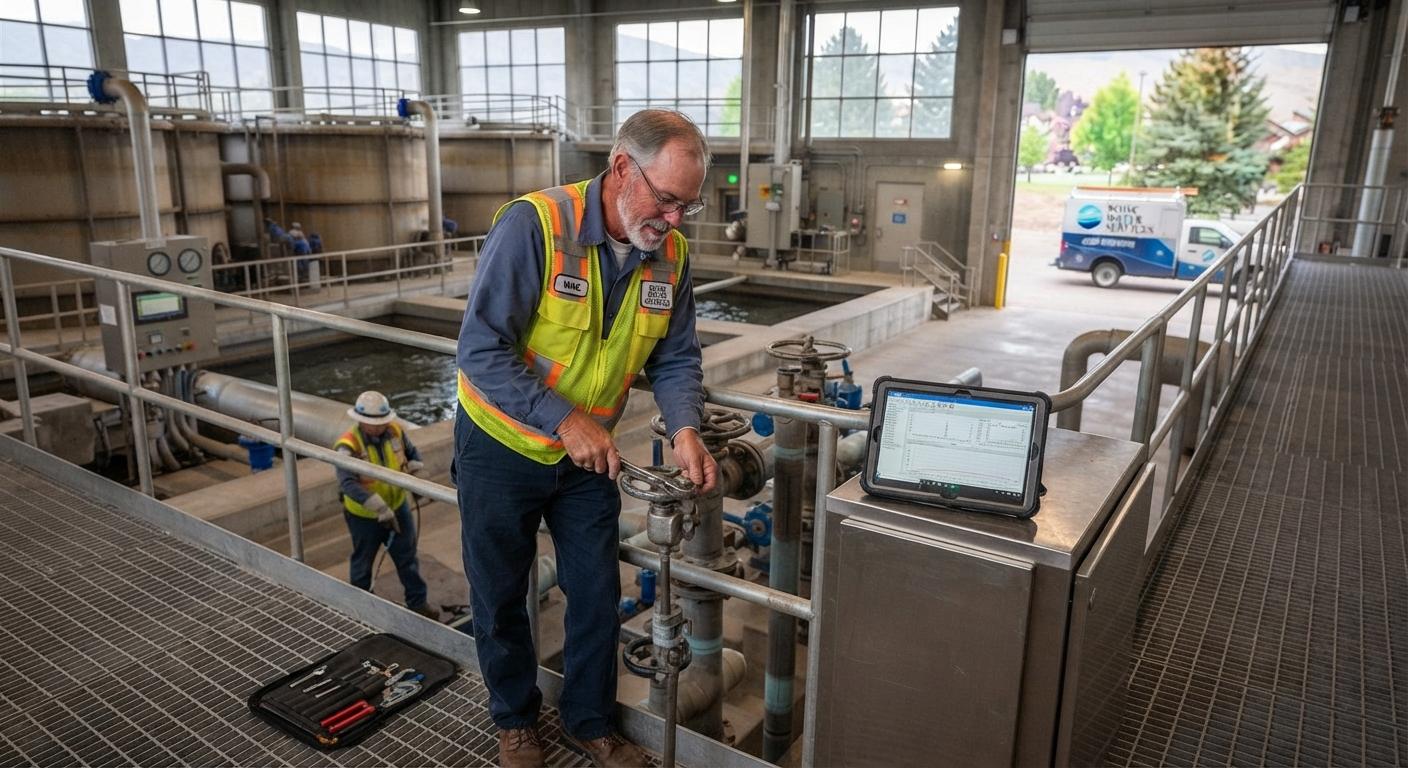
High water pressure might seem like a luxury for showers, but excessive pressure places constant stress on your entire plumbing system. Municipal water systems often supply water at high pressures to reach tall buildings and fire hydrants, sometimes exceeding 100 PSI (pounds per square inch). Without a functional pressure-reducing valve (PRV), this force can degrade pipe joints, cause noisy water hammer, and damage appliances like water heaters and washing machines.
Installing and maintaining a whole-house water pressure regulator keeps incoming water within a safe, manageable range. Understanding how a PRV works, recognizing signs of failure, and making small pressure adjustments helps extend the lifespan of your fixtures and prevents sudden leaks behind walls.
Signs Your Water Pressure Is Too High
Recognizing high water pressure early allows you to address the issue before it causes expensive property damage.
-
Frequent Appliance Failures: Solenoid valves inside dishwashers, ice makers, and washing machines wear out or leak prematurely.
-
Loud Water Hammer Sounds: Fast-closing valves create loud thumping or banging noises inside walls whenever water shuts off.
-
Running Toilets: High pressure forces water past fill valves, causing toilets to run continuously or cycle on and off.
-
Leaking Faucets and Showerheads: Internal rubber washers and cartridges degrade quickly, resulting in steady drips across multiple fixtures.
Simple Upkeep Steps for Pressure-Reducing Valves
Routine home care does not have to be complicated or time-consuming. Simple preventive habits—such as checking your home's static pressure annually with an inexpensive gauge, watching for pressure spikes, and adjusting the regulator locknut—keep your water system running safely. When dealing with main line valve replacements, severe pressure fluctuations, or installing new pressure-reducing assemblies, turning to a certified plumber service boise ensures your pressure regulator is installed correctly and tuned to optimal safety standards. Taking proactive control of your home's water pressure protects your fixtures, saves water, and keeps your plumbing system running quietly.
How to Test Your Home's Water Pressure
-
Screw a pressure gauge onto an outdoor hose bib or a laundry sink cold-water faucet.
-
Ensure no other water fixtures, irrigation systems, or appliances are running inside or outside the home.
-
Open the faucet completely to read the static water pressure on the gauge dial.
-
Verify that the reading sits within the ideal residential safety range of 40 to 65 PSI.
Frequently Asked Questions
What is the safe water pressure range for a residential home?
Ideal residential water pressure sits between 40 and 65 PSI. Pressure above 80 PSI can damage pipe connections, appliance valves, and fixture cartridges, violating standard building codes.
How long does a water pressure regulator usually last?
Most residential pressure-reducing valves have a lifespan of 10 to 15 years. Over time, internal springs and rubber diaphragms wear out, causing pressure to creep up slowly.
Can a faulty pressure regulator cause low water pressure?
Yes, when a pressure regulator fails internally, it can restrict water flow or collapse, causing a sudden, noticeable drop in water volume throughout the entire house.

 English
 Arabic
 French
 Spanish
 Portuguese
 Deutsch
 Turkish
 Dutch
Dutch
 Italiano
 Russian
 Portuguese (Brazil)
 Greek
Greek