

How Long Does Recovery Take After FUT Hair Transplant in Dubai?
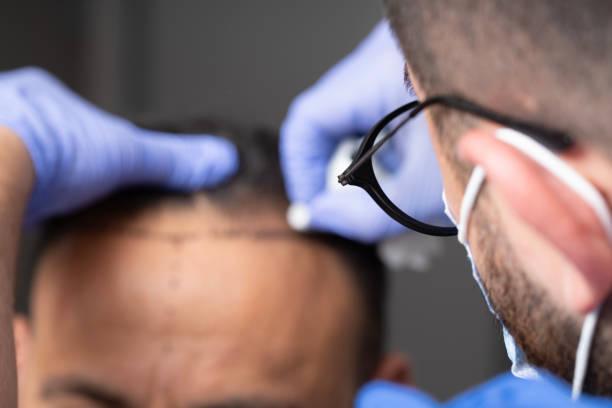
Recovery after FUT Hair Transplant in Dubai happens in stages rather than on one fixed date. The scalp begins healing immediately after surgery, but visible hair growth takes much longer. Most patients can return to normal daily activities relatively soon, while complete maturation of the transplanted hair continues over the following months.
The recovery experience depends on the size of the procedure, individual healing, the donor closure, lifestyle, and how closely aftercare instructions are followed.
What Happens Immediately After FUT Surgery?
The first few days are mainly focused on protecting the donor and recipient areas.
The scalp may feel tender, tight, swollen, or sensitive. Some patients experience mild crusting around the transplanted follicles.
These changes are part of the early healing process.
Your clinical team may provide specific instructions covering:
- Medication
- Scalp cleaning
- Sleeping position
- Physical activity
- Hair washing
- Sun exposure
- Follow-up appointments
Following those instructions is important because the newly transplanted grafts need protection during the early period.
What Is the First Week Like?
The first week usually involves the most noticeable scalp changes.
You may experience:
- Mild redness
- Swelling
- Small crusts
- Tenderness
- Donor-area tightness
- Temporary sensitivity
The exact experience varies between patients.
It is also normal for the appearance of the scalp to change from one day to the next as healing progresses.
When Do the Grafts Become More Secure?
Transplanted follicles require an early healing period before they become firmly integrated into the recipient scalp.
This is why patients are usually advised to avoid rubbing, scratching, picking, or applying unnecessary pressure to the recipient area during the initial recovery period.
Your surgeon should provide the specific timeline for washing and handling your scalp.
When Can You Return to Work?
Many patients can return to non-strenuous work relatively soon, but the appropriate timing depends on the procedure and the nature of the job.
A desk-based role may be easier to resume than work involving:
- Heavy lifting
- Outdoor heat
- Dust
- Frequent bending
- Physical exertion
- Protective headgear
If your work involves Dubai's outdoor environment, additional precautions may be needed during the early healing period.
What About Dubai's Climate?
Dubai's heat and strong sunlight can make postoperative planning particularly important.
During early recovery, excessive heat, sweating, and direct sun exposure may be uncomfortable and can interfere with comfortable healing.
Patients should follow their clinic's guidance about outdoor exposure and use appropriate protection once permitted.
What Happens During Weeks Two to Four?
The scalp generally begins looking more settled.
Crusting should have reduced, while redness and sensitivity gradually improve.
However, the transplanted hairs may not look fuller during this period.
Some transplanted hairs can enter a temporary shedding phase. This can be surprising if patients expect continuous visible growth from the day of surgery.
Does Shedding Mean the Transplant Failed?
No.
Temporary shedding of the visible hair shaft can occur after transplantation.
The follicle can remain in the scalp and later produce new growth.
This is one reason why early photographs should not be used to judge the final result.
When Does New Hair Growth Become Noticeable?
Hair growth develops progressively.
The timeline varies between individuals, but visible improvement generally occurs over several months rather than several weeks.
The hair gradually becomes longer, stronger, and more integrated with surrounding native hair.
Final maturation can take considerably longer than the initial healing period.
Recovery Timeline at a Glance
| Recovery Stage | What You May Notice |
|---|---|
| First few days | Tenderness, swelling, redness, early healing |
| First week | Crusting and scalp sensitivity gradually settle |
| Weeks 2–4 | Scalp continues normalizing; shedding may occur |
| Following months | New transplanted growth becomes progressively visible |
| Later maturation | Hair continues gaining length and visual fullness |
Individual recovery can differ, so your surgeon's instructions should take priority over a general timeline.
What Can Slow Recovery?
Healing may be affected by several factors, including:
- Excessive physical activity too early
- Scratching or picking the scalp
- Unapproved hair products
- Excessive sun exposure
- Smoking
- Poor adherence to aftercare
- Individual healing characteristics
Not every factor is within a patient's control, but careful aftercare can support a smoother recovery.
When Is the Result Considered Mature?
Hair restoration should be judged over a longer period.
The scalp may heal well before the transplanted hair reaches its mature appearance.
The final assessment considers:
- Hair growth
- Hair caliber
- Density
- Blending
- Hairline appearance
- Donor healing
Patience is therefore an important part of the process.
When Should You Contact the Clinic?
Patients should follow their clinic's instructions about warning signs and follow-up.
Unexpected or worsening symptoms should not be ignored. Your surgical team is best placed to determine whether a particular change is part of normal healing or requires assessment.
Final Thoughts
Recovery after FUT Hair Transplant in Dubai has two distinct phases: scalp healing and hair maturation. The first phase generally happens much sooner, while the transplanted hair needs substantially more time to develop its final appearance.
For individualized recovery guidance and treatment planning, explore FUT Hair Transplant in Dubai at Tajmeels Clinic.

 Arabic
 French
 Spanish
 Portuguese
 Deutsch
 Turkish
 Dutch
Dutch
 Italiano
 Russian
 Romaian
 Portuguese (Brazil)
 Greek
Greek
