

Interior Designer and Flooring Contractor: How to Create a Beautiful, Functional Home
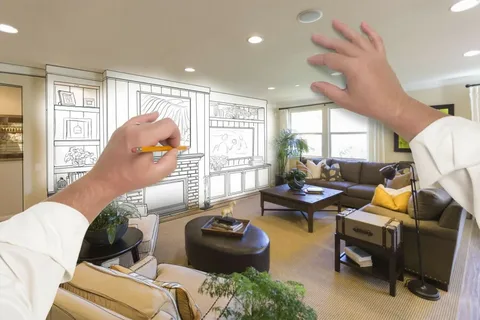
Creating a beautiful home requires more than selecting attractive furniture, paint colors, or decorative accessories. Every element of an interior should work together to create a comfortable, practical, and visually appealing environment. From choosing the right flooring materials to designing a balanced layout, thoughtful planning can make a significant difference in how a space looks and feels.
An experienced Interior designer can help homeowners transform their ideas into a cohesive design that reflects their personal style, daily routines, and budget. At the same time, working with a skilled Flooring contractor helps ensure that one of the most important elements of the home is installed correctly and built to withstand everyday use.
Whether you are renovating a single room, updating an outdated property, or planning a complete home transformation, combining professional design guidance with quality flooring installation can help you achieve long-lasting results. Understanding how these services work together makes it easier to plan your project, avoid common mistakes, and create an interior that balances appearance with functionality.
Why Professional Interior Design Matters
Interior design is about much more than decoration. It involves understanding how people use a space and making decisions that improve comfort, organization, lighting, movement, and visual harmony.
Professional design guidance can be especially valuable when renovating older homes, designing open-plan living areas, or coordinating multiple rooms during a larger project.
A well-planned interior considers several important elements:
-
Space planning: Arranging furniture and fixtures to provide comfortable movement and practical room layouts.
-
Color coordination: Selecting colors that complement flooring, walls, furniture, and natural light.
-
Lighting design: Combining natural light, ambient lighting, and task lighting to improve visibility and atmosphere.
-
Material selection: Choosing finishes that suit the property's style, maintenance requirements, and budget.
-
Storage solutions: Making the most of available space through built-in cabinets, shelving, and smart furniture placement.
-
Personal style: Incorporating the homeowner's preferences without sacrificing usability.
A thoughtful design plan helps prevent expensive changes later in the renovation process. It also makes it easier to coordinate contractors, purchase materials, and establish realistic project expectations.
Choosing the Right Flooring for Your Interior
Flooring plays a major role in the overall appearance and functionality of a property. Because it covers a large portion of every room, the material you select can influence the color palette, furniture choices, lighting effects, and overall design direction.
Different rooms have different requirements, so flooring should be selected according to both appearance and performance.
Hardwood Flooring
Hardwood flooring is a popular choice for homeowners who appreciate natural materials and timeless design. Its distinctive grain patterns and warm appearance can complement traditional, transitional, and contemporary interiors.
Hardwood works particularly well in living rooms, dining areas, bedrooms, and other spaces where a natural aesthetic is desirable.
However, solid hardwood can be sensitive to moisture and humidity. Homeowners should consider the property's environmental conditions and follow manufacturer recommendations for installation and maintenance.
Luxury Vinyl Flooring
Luxury vinyl flooring offers a versatile option for homeowners seeking attractive designs with relatively straightforward maintenance. Many products imitate the appearance of wood or stone while providing a comfortable surface for everyday activities.
Depending on the product's specifications, vinyl flooring may be suitable for kitchens, hallways, living areas, and other frequently used spaces.
Water resistance varies by product, and moisture protection depends on the complete flooring system, including seams, edges, and installation details. Checking the manufacturer's guidance is important before selecting a product for moisture-prone areas.
Tile Flooring
Tile is valued for its durability, design variety, and ease of cleaning. Ceramic and porcelain tiles are commonly used in bathrooms, kitchens, laundry rooms, and entryways.
Available in numerous colors, sizes, textures, and patterns, tile can support minimalist interiors as well as decorative and traditional designs.
Proper substrate preparation, waterproofing where required, grout selection, and installation techniques are essential for achieving a reliable result.
Laminate Flooring
Laminate flooring provides a practical way to achieve the look of wood or stone at a range of price points. It is available in numerous finishes, making it suitable for bedrooms, living rooms, and other residential areas.
Its performance depends on the specific product, installation quality, and exposure to moisture. Homeowners should review the manufacturer's instructions and choose a product appropriate for the intended room.
Carpet Flooring
Carpet creates a soft, comfortable surface that can help make bedrooms and selected living spaces feel warmer and quieter.
It is available in a variety of fibers, colors, and textures, allowing homeowners to coordinate it with furniture and wall finishes.
When choosing carpet, consider durability, stain resistance, cleaning requirements, and the needs of everyone living in the home.
How an Interior Designer and Flooring Contractor Work Together
Successful renovations depend on coordination between design decisions and construction work. Flooring is not simply a finishing detail; it affects how the entire interior comes together.
An Interior designer can establish the project's visual direction, identify suitable materials, and help determine how different finishes will complement one another. A Flooring contractor can then evaluate the installation requirements, prepare the subfloor, and install the selected material according to applicable specifications.
This collaboration offers several practical benefits.
Consistent Design Throughout the Property
Using coordinated flooring materials and finishes can create a more unified appearance across connected rooms.
For example, extending a similar flooring style through an open-plan living and dining area may make the space feel more spacious. In other projects, different materials can be used to distinguish functional zones while maintaining a consistent color palette.
Better Material Decisions
The most attractive flooring is not necessarily the most appropriate choice for every room.
A professional design plan considers furniture, wall colors, lighting, foot traffic, cleaning requirements, and the property's overall style. Installation professionals can help identify technical limitations and preparation requirements before materials are purchased.
Fewer Renovation Delays
Planning flooring selections early helps contractors coordinate installation schedules with painting, cabinetry, electrical work, and other renovation tasks.
For example, the finished floor height may affect door clearances, transitions between rooms, kitchen appliances, and built-in cabinetry. Identifying these details before installation can reduce the likelihood of rework.
Improved Long-Term Value
Quality materials and proper installation can improve everyday comfort and help maintain the appearance of a renovated property.
The best investment is not always the most expensive option. A suitable product, correctly installed and maintained, may provide better long-term value than a premium material that does not match the property's conditions or the homeowner's needs.
Planning Your Flooring and Interior Design Project
Before beginning a renovation, take time to define your goals and organize the major decisions. A structured approach makes it easier to communicate with professionals and keep the project aligned with your budget.
Step 1: Establish Your Priorities
Decide what you want to improve. You may need more storage, better lighting, easier-to-clean surfaces, a modern appearance, or a more functional layout.
Prioritize essential improvements before selecting decorative details.
Step 2: Set a Realistic Budget
Create a budget that accounts for materials, labor, removal of existing flooring, subfloor repairs, underlayment, trim, transitions, and disposal costs.
It is also sensible to reserve a contingency for unexpected conditions, particularly in older properties where hidden damage may become apparent during demolition.
Step 3: Evaluate Existing Conditions
Before choosing flooring, assess the current floor's condition. Uneven surfaces, moisture problems, damaged subfloors, and unsuitable existing materials can affect installation.
A qualified professional can determine whether additional preparation or repairs are necessary.
Step 4: Compare Materials and Samples
View flooring samples in the rooms where they will be installed. Natural and artificial lighting can change how colors appear throughout the day.
Compare samples with cabinetry, wall paint, countertops, furniture, and other major finishes before making a final decision.
Step 5: Coordinate the Installation Schedule
Flooring installation should be coordinated with the other trades involved in the renovation. Depending on the project, demolition, structural repairs, plumbing, electrical work, and other preparations may need to happen first.
Follow the installation manufacturer's requirements for subfloor moisture, temperature, acclimation, adhesives, and curing times where applicable.
Step 6: Review the Finished Work
After installation, inspect the flooring for visible damage, inconsistent transitions, loose components, and other issues relevant to the selected material.
Ask the installer about cleaning products, maintenance routines, warranty conditions, and any restrictions that could affect the floor's performance.
Popular Interior Design Trends That Complement Modern Flooring
Interior trends can provide inspiration, but the most successful designs are those that remain practical and reflect the people who use the space.
Natural Colors and Textures
Warm neutrals, soft earth tones, natural wood finishes, and textured fabrics can create a comfortable atmosphere. These elements often pair well with wood-look flooring, hardwood, and neutral tiles.
Open and Flexible Living Spaces
Many homeowners prefer layouts that support cooking, relaxing, working, and entertaining without unnecessary barriers.
Coordinated flooring can help visually connect these areas, while rugs, lighting, and furniture placement provide definition.
Minimalist Design
Minimalist interiors emphasize clean lines, useful furniture, and carefully selected decorative elements.
Simple flooring patterns and restrained color combinations can support this approach without making the space feel empty or impersonal.
Sustainable Material Choices
Some homeowners prioritize materials with documented environmental certifications, recycled content, responsible sourcing, or low-emission characteristics.
Review product documentation rather than relying solely on broad sustainability claims. Durability, maintenance, transportation, and replacement frequency can also influence a material's overall environmental impact.
Personalized Spaces
A home should reflect the preferences and routines of the people living in it. Statement flooring, accent walls, custom shelving, and distinctive lighting can add personality when used thoughtfully.
A balanced design combines individual details with practical choices that will remain useful over time.
Common Flooring and Interior Design Mistakes to Avoid
Even a well-intentioned renovation can encounter problems when important details are overlooked.
Choosing materials based only on appearance: A beautiful product may not perform well in a high-moisture area or a heavily used entrance. Consider durability and suitability alongside style.
Ignoring subfloor preparation: Installing new flooring over an unsuitable surface can lead to unevenness, movement, gaps, or premature damage.
Using too many competing finishes: Different materials can work together, but excessive variation in colors, patterns, and textures may make an interior feel disconnected.
Forgetting transitions and door clearances: Differences in flooring thickness can affect doors, thresholds, appliances, and adjoining rooms. These details should be checked before installation.
Underestimating the total cost: The material price is only one part of the budget. Labor, preparation, trim, removal, repairs, and waste can significantly affect the final amount.
Skipping professional communication: Homeowners should ensure that the design plan, product specifications, installation requirements, and project schedule are understood by everyone involved.
Avoiding these mistakes can help protect your investment and produce a more polished result.
How to Choose the Right Professionals
Selecting suitable professionals is an important part of achieving a successful renovation.
When evaluating an interior design professional, review their portfolio, communication style, design process, service scope, and experience with projects similar to yours. Ask how they handle material selections, budgeting, revisions, and coordination with other trades.
When hiring a flooring installation professional, ask about relevant experience, insurance where applicable, written estimates, preparation methods, warranties, and references from previous customers.
Request detailed proposals that explain the materials, labor, preparation work, exclusions, payment schedule, and expected timeline.
It is also helpful to clarify who is responsible for ordering materials, confirming measurements, arranging deliveries, and addressing unexpected issues. Clear responsibilities can reduce confusion and make the renovation process more manageable.
Conclusion
Creating a beautiful and functional home requires thoughtful planning, suitable materials, and careful execution. Flooring affects the appearance, comfort, and usability of every room, making it an essential part of any interior renovation.
Working with an experienced Interior designer and a reliable flooring installation professional can help homeowners coordinate colors, materials, layouts, and construction requirements. From selecting hardwood for a warm living area to choosing durable tile for a busy kitchen, each decision should reflect the property's needs and the homeowner's priorities.
By setting a realistic budget, assessing existing conditions, comparing material options, and coordinating installation with the wider renovation schedule, you can reduce avoidable problems and achieve a more cohesive result.
Whether you are refreshing one room or transforming your entire property, a well-planned approach helps create interiors that look attractive, function efficiently, and remain comfortable for years to come.
Frequently Asked Questions (FAQs)
1. What does an interior design professional do?
An interior design professional helps plan and improve indoor spaces by considering layouts, lighting, colors, furniture, finishes, storage, and functionality. Depending on the service agreement, they may also assist with material selection, budgeting, and coordination with contractors.
2. Why should I hire a Flooring contractor?
A qualified Flooring contractor can assess the installation area, identify preparation requirements, recommend appropriate installation methods, and install the selected material. Professional installation can help reduce avoidable problems and support the flooring manufacturer's performance requirements.
3. Which flooring material is best for a modern home?
The best choice depends on your budget, design preferences, household activities, and room conditions. Hardwood offers natural character, luxury vinyl provides versatile styling, tile suits many moisture-prone spaces, and laminate offers a range of wood-inspired designs.
4. Can flooring affect the appearance of a room?
Yes. Flooring influences the visual balance, color palette, and perceived proportions of a room. Lighter finishes may help a space feel brighter, while darker finishes can create contrast and a more dramatic atmosphere. Lighting and wall colors also influence the final effect.
5. Should flooring be installed before or after painting?
The correct sequence depends on the flooring type and the renovation plan. Some projects benefit from completing initial painting before flooring installation, followed by touch-ups afterward. Other work, such as cabinetry or tile installation, may require a different sequence. Your contractors should coordinate the schedule to protect finished surfaces.

 English
 Arabic
 Spanish
 Portuguese
 Deutsch
 Turkish
 Dutch
 Italiano
 Russian
 Romaian
 Portuguese (Brazil)
 Greek
