

Supporting Dialysis Patients: The Importance of Family Care and Community Support
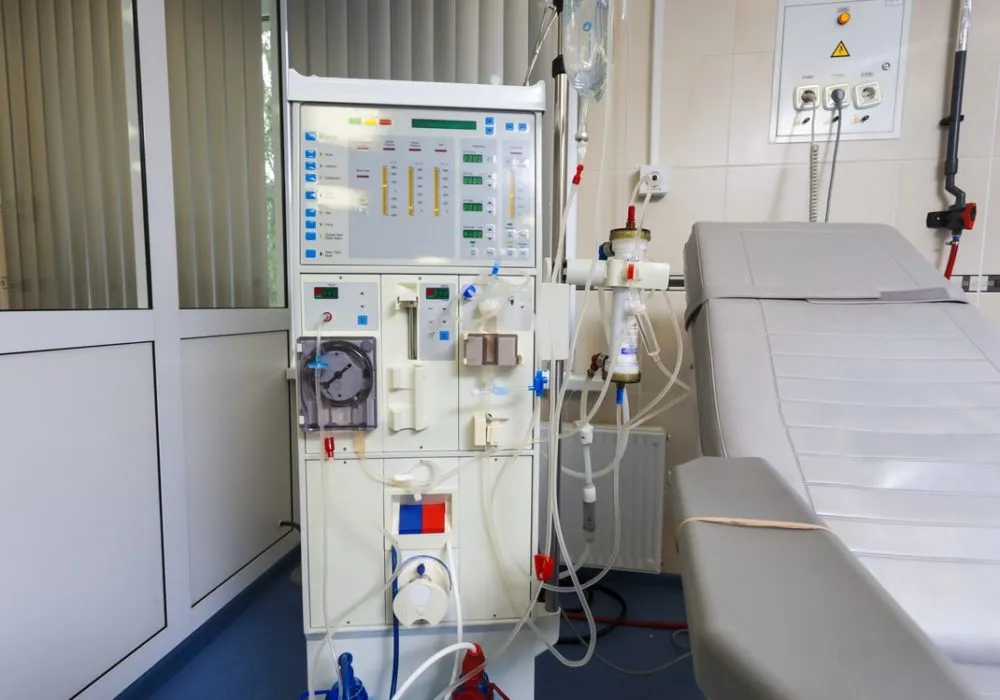
Chronic kidney disease can affect much more than a person's physical health. For patients who require regular dialysis, everyday life may involve frequent hospital visits, medication schedules, dietary adjustments, and emotional challenges. Family members often become an important source of practical and emotional support, helping patients manage their treatment while maintaining their quality of life. Access to reliable healthcare and community assistance, including services offered by organizations such as Hopewell Foundation, can also help reduce some of the difficulties faced by patients and their families.
Although medical professionals play a central role in kidney care, the support patients receive at home can make a meaningful difference in how they manage their daily routines. Understanding the needs of dialysis patients is an important step toward building a more compassionate and supportive environment.
Understanding the Daily Challenges of Dialysis
Dialysis is a treatment that performs some of the functions of healthy kidneys when they can no longer adequately remove waste products and excess fluid from the blood. People with kidney failure may need regular dialysis sessions as part of their ongoing treatment plan.
The experience can be demanding because patients must balance medical appointments with family responsibilities, employment, education, and personal activities. Financial pressure may add another layer of difficulty, particularly when treatment-related expenses affect the household budget.
Common challenges include:
-
Time management: Regular dialysis appointments can make it difficult to maintain a normal work or family schedule.
-
Emotional stress: Living with a chronic condition may lead to frustration, uncertainty, anxiety, or feelings of isolation.
-
Dietary adjustments: Some patients need to follow individualized recommendations concerning fluid intake, sodium, potassium, phosphorus, and other nutritional factors.
-
Financial pressure: Transportation, medicines, diagnostic tests, and other healthcare expenses can create difficulties for families with limited resources.
-
Dependence on support: Patients may need assistance with transportation, appointments, household tasks, or understanding medical instructions.
Recognizing these challenges helps family members and caregivers offer appropriate support without making patients feel that they have lost their independence.
How Families Can Support Dialysis Patients
Family support does not require specialized medical knowledge. Consistent communication, practical assistance, and respect for the patient's preferences can help create a more comfortable home environment.
1. Help Maintain Treatment Routines
Regular dialysis appointments and prescribed medications are important parts of treatment. Caregivers can help patients organize appointment reminders, arrange transportation, and keep relevant medical documents in one place.
Patients should not change their medication schedules or skip dialysis sessions without consulting their healthcare team. If an appointment becomes difficult to attend, contacting the treatment center promptly is a sensible step.
2. Encourage Open Communication
People receiving long-term treatment may hesitate to discuss their fears because they do not want to worry their families. Listening without judgment can help them feel understood.
Instead of immediately offering solutions, caregivers can ask what kind of help would be most useful. Some patients may want assistance with practical tasks, while others may simply need someone to listen.
Respecting a patient's choices is equally important. Whenever possible, patients should remain involved in decisions about their routines, responsibilities, and personal goals.
3. Follow Individualized Nutrition Advice
Nutrition can be an important part of kidney care, but there is no single diet that suits every patient. Dietary needs depend on kidney function, dialysis type, laboratory results, medications, and other health conditions.
Families can help by planning meals according to advice from the patient's doctor or renal dietitian. They should avoid introducing restrictive diets, herbal remedies, or supplements without professional guidance, as some products may be unsuitable for people with kidney disease.
4. Make Room for Rest and Normal Activities
Dialysis patients may experience tiredness or changes in energy levels. A flexible routine can help them balance treatment with rest, relationships, hobbies, and other meaningful activities.
Caregivers should avoid assuming that every patient has the same limitations. Some people may continue working or studying, while others may need additional assistance. The best approach is to discuss what feels manageable and adjust plans when necessary.
Why Emotional Well-Being Matters
Physical treatment is only one part of living with chronic kidney disease. Patients may experience worry about their future, concerns about family finances, or frustration over changes to their independence.
Caregivers can support emotional well-being by encouraging social interaction, maintaining familiar routines, and making time for conversations that are not focused entirely on illness. Where appropriate, professional counseling or a patient support group may provide additional help.
Caregivers also need to look after their own well-being. Supporting someone through long-term treatment can be exhausting, particularly when one person carries most of the responsibility.
Useful ways to manage caregiver stress include:
-
Sharing responsibilities among willing family members.
-
Taking regular breaks and maintaining personal interests.
-
Asking healthcare professionals for guidance when concerns arise.
-
Seeking emotional support from trusted people or counseling services.
-
Discussing practical needs openly rather than waiting until stress becomes overwhelming.
A sustainable support system benefits both the patient and the people caring for them.
The Role of Healthcare Providers and Community Organizations
Medical teams help patients understand treatment options, monitor their health, and address complications. Nurses, dietitians, social workers, and other healthcare professionals may also provide guidance that helps families manage daily care more confidently.
However, access to these services is not always straightforward. Some households struggle with treatment costs, transportation, diagnostic expenses, or a lack of reliable information. Community organizations and charitable healthcare initiatives can help address certain gaps by connecting eligible patients with essential services.
For example, organizations working in this area may provide assistance with dialysis, medical consultations, medicines, laboratory tests, or patient guidance. Information about patient care and support services can help readers understand the different forms of assistance that may be available to people living with kidney disease.
When evaluating support options, families should confirm eligibility requirements, available services, appointment arrangements, and any applicable conditions directly with the provider.
Community involvement can also extend beyond financial donations. Volunteers may help with awareness campaigns, fundraising, patient guidance, and other activities that strengthen access to care.
Practical Ways to Build a Stronger Support System
Families do not have to manage every challenge alone. A simple plan can help patients and caregivers coordinate responsibilities and identify where additional assistance may be needed.
| Area of support | Practical action |
|---|---|
| Medical appointments | Maintain a calendar of dialysis sessions and follow-up visits |
| Medication management | Keep an updated medication list and follow professional instructions |
| Nutrition | Plan meals using advice from a qualified healthcare professional |
| Transportation | Arrange reliable travel to and from treatment appointments |
| Emotional well-being | Make time for conversations, social activities, and rest |
| Financial assistance | Explore legitimate charitable programs and available support services |
| Health information | Use trustworthy medical sources and discuss concerns with the care team |
The plan should remain flexible because a patient's needs may change over time. Regular conversations can help families identify new challenges before they become more difficult to manage.
Raising Awareness About Kidney Health
Supporting dialysis patients is important, but public awareness and early medical attention also play valuable roles in kidney health. Diabetes, high blood pressure, and certain other conditions can increase the risk of chronic kidney disease.
People can take steps to protect their health by managing existing medical conditions, attending recommended checkups, following prescribed treatment, and discussing relevant risk factors with qualified healthcare professionals. Kidney disease may develop without obvious symptoms in its early stages, so people at increased risk should ask their clinicians whether kidney function and urine tests are appropriate.
It is also important to avoid self-diagnosis. Changes in urination, persistent swelling, unusual fatigue, or other concerning symptoms should be discussed with a healthcare professional rather than treated with unverified home remedies.
Conclusion
Living with kidney disease can bring physical, emotional, and financial challenges, but patients do not have to face every difficulty alone. Compassionate family care, reliable medical guidance, accessible treatment, and community support can help people manage their routines with greater confidence and dignity.
By sharing responsibilities, encouraging open communication, respecting individual needs, and connecting families with appropriate resources, communities can create a stronger support network for people receiving dialysis. Every practical act of assistance can help make the treatment journey more manageable while reminding patients that their well-being matters beyond the clinic.

 English
 Arabic
 French
 Portuguese
 Deutsch
 Turkish
 Dutch
 Italiano
 Russian
 Romaian
 Portuguese (Brazil)
 Greek
